Small hive beetles (SHB) continue to challenge beekeepers across warm, humid regions—infesting hives, damaging comb, fermenting honey and stressing colonies already facing numerous threats (Photo 1). Fortunately, nature provides an effective, eco-friendly solution: beneficial entomopathogenic nematodes, specifically Heterorhabditis indica.
If you’re looking for a safe, chemical-free, and highly targeted method to control SHB populations around your apiary, integrating H. indica into your management plan could be a game-changer.

Photo 1. Small Hive Beetle Adult and stressed Honeybee Colony
What Are Heterorhabditis indica Nematodes?
Heterorhabditis indica are beneficial microscopic worms (Photo 2) that naturally live in soil. They attack and kill the soil-stage larvae and pupae of many insect pests—including small hive beetles. However, they pose zero risk to bees, pollinators, plants, pets, or people. Their only target: soil-dwelling insect pests.
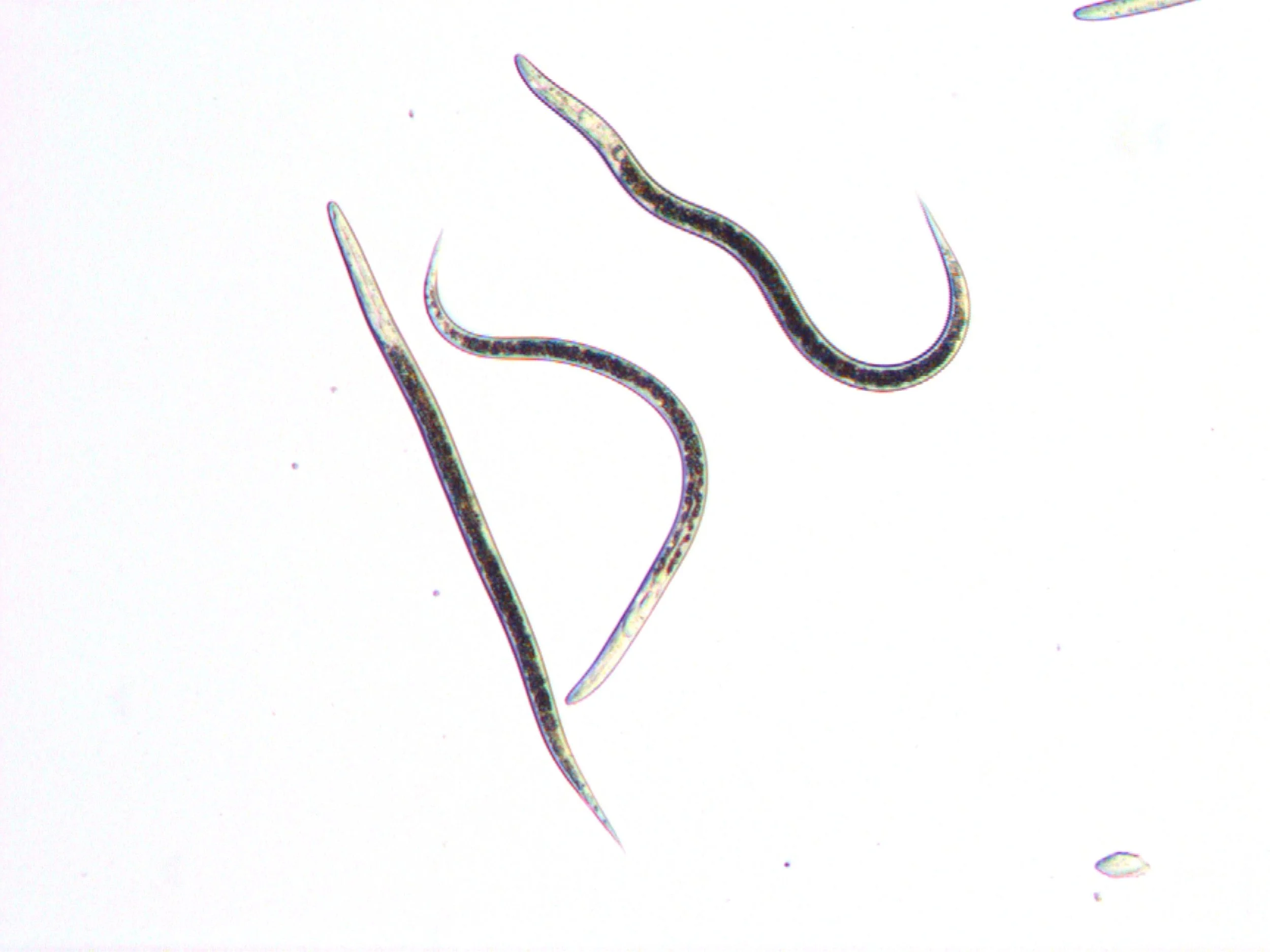
Photo 2. Infective Juveniles of Heterorhabditis indica Nematodes
How They Control Small Hive Beetles
Mature SHB larvae exit the hive to pupate in the soil within a 3-foot radius of the hive.
Applied nematodes locate these larvae using CO₂ and movement cues.
Nematodes enter the body of larvae or pupae and release symbiotic bacteria (Xenorhabdus sp.)
The bacteria multiply rapidly, cause septicemia and kill the beetle larva within 24–48 hours.
New nematodes emerge and continue hunting in the soil.
This breaks the SHB life cycle right where it’s most vulnerable.
Why Beekeepers Prefer H. indica
Highly effective SHB control as they attack the beetle pupae before they can emerge and re-infest your hive.
Safe for bees and organic gardens as these nematodes harm no beneficial insects inside or outside the hive.
No chemicals needed. Perfect for natural, sustainable, and treatment-free apiaries.
Fast-acting and easy to apply. Just water them into the soil—no special equipment required.
How to Apply H. indica Nematodes
Moisten the application area. If necessary, loosen the topsoil and lightly water the ground under and around your hives.
Mix with clean water in a watering can and follow your supplier’s dilution instructions. Cool, chlorine-free water works best.
Applying in low light during dusk or early morning protects nematodes from UV exposure.
Cover the soil beneath and around hives. Aim for a 3–6 ft radius where SHB larvae pupate (Photo 3).
Water again lightly as it helps the nematodes move down into the soil.
Maintain moisture for 7–10 days so that nematodes can survive and reproduce best in slightly damp, shaded soil.
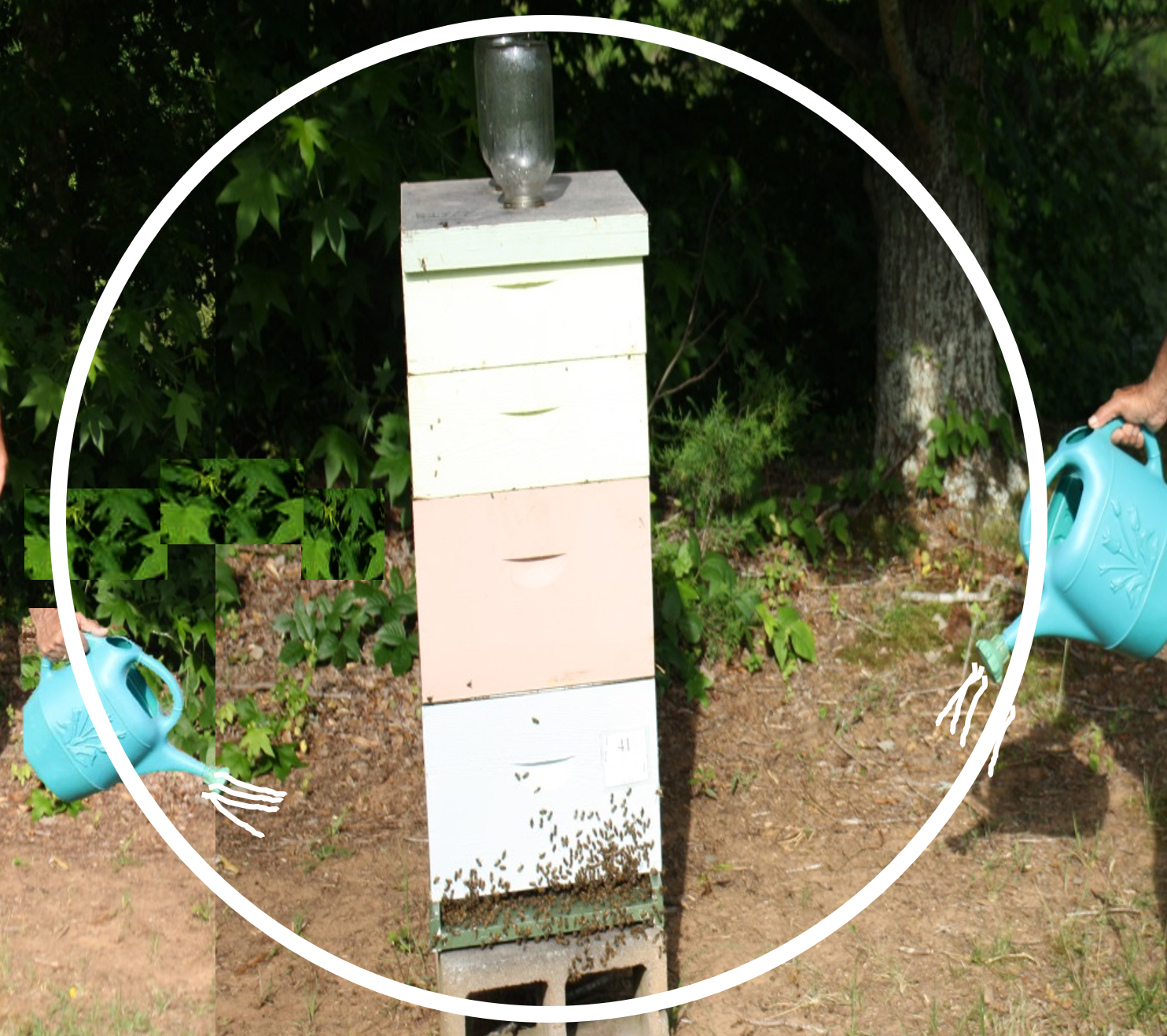
Photo 3. Application of Heterorhabditis indica nematodes within 3-ft radius of Honeybee hive
Best Times to Apply
Spring, summer, and early fall (when SHB activity peaks)
After you see larvae leaving the hive
Every 4–6 weeks for heavy SHB pressure.
After heavy rains or drought, which can reduce nematode populations.