Understanding Beneficial Steinernema Nematodes in Biological Control
Beneficial entomopathogenic nematodes in the genus Steinernema are widely used as biological control agents to manage insect pests in soil, turf, and protected growing environments. While they may appear similar, species such as Steinernema carpocapsae (Photo 1), Steinernema feltiae (Photo 2), and Steinernema riobrave (Photo 3) differ significantly in host-seeking behavior, environmental tolerance, and their symbiotic bacteria. These nematodes are called entomopathogenic nematodes because their symbiotic bacteria are pathogenic to insect pests. Understanding these differences helps growers choose the most effective species for their pest management needs. All three Steinernema nematode species are commercially available and are currently used as biological control agents to control insect pests in greenhouses, gardens, and fields.
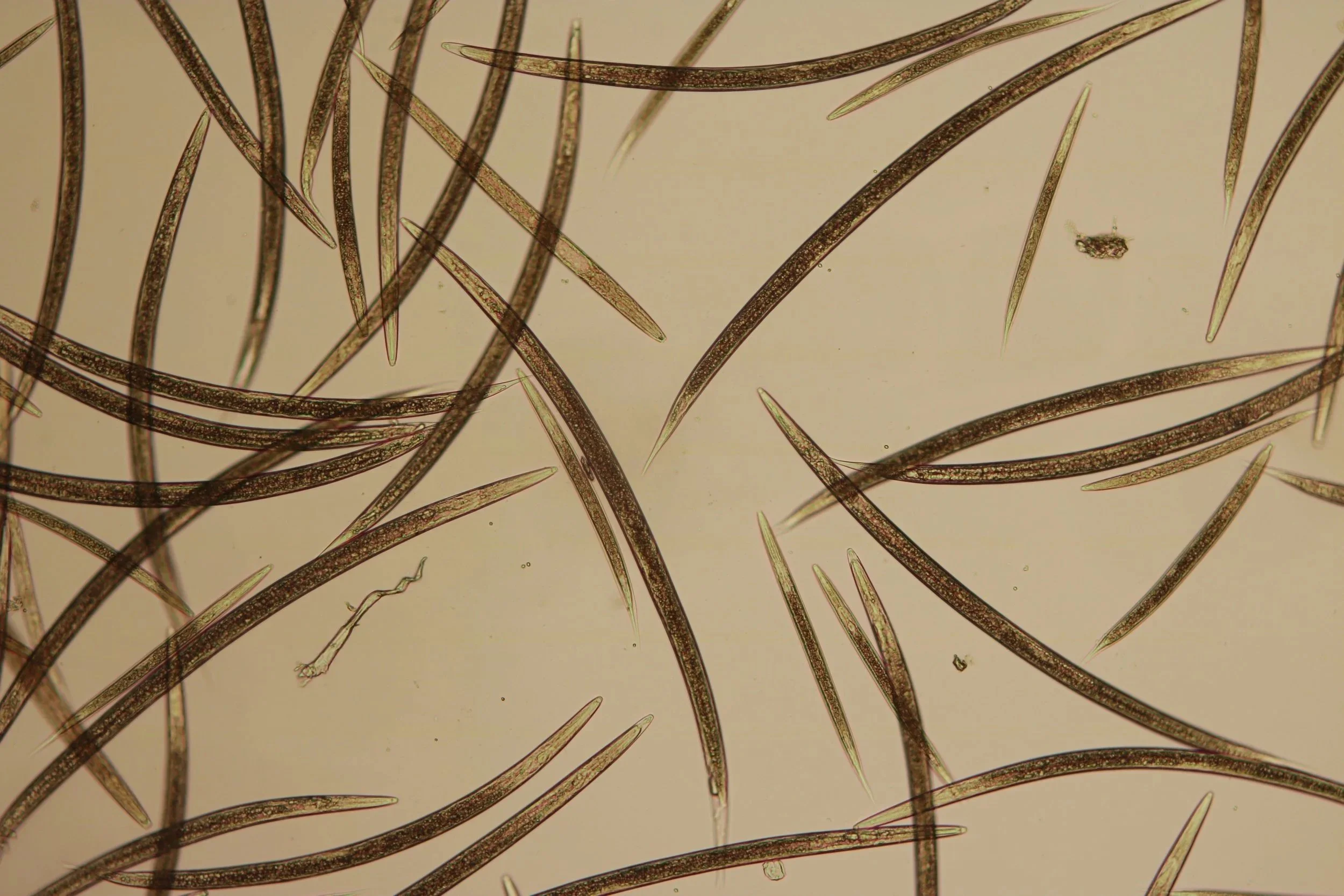
Photo 1. Steinernema carpocapsae Nematodes
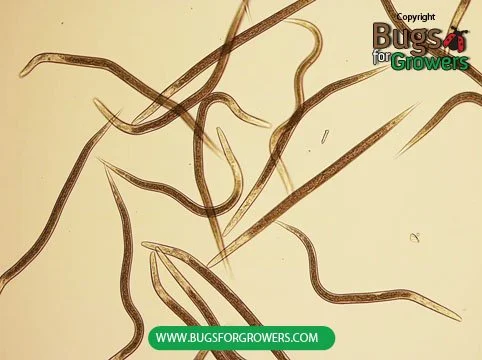
Photo 2. Steinernema feltiae Nematodes (Credit to Bugsforgrowers.com)
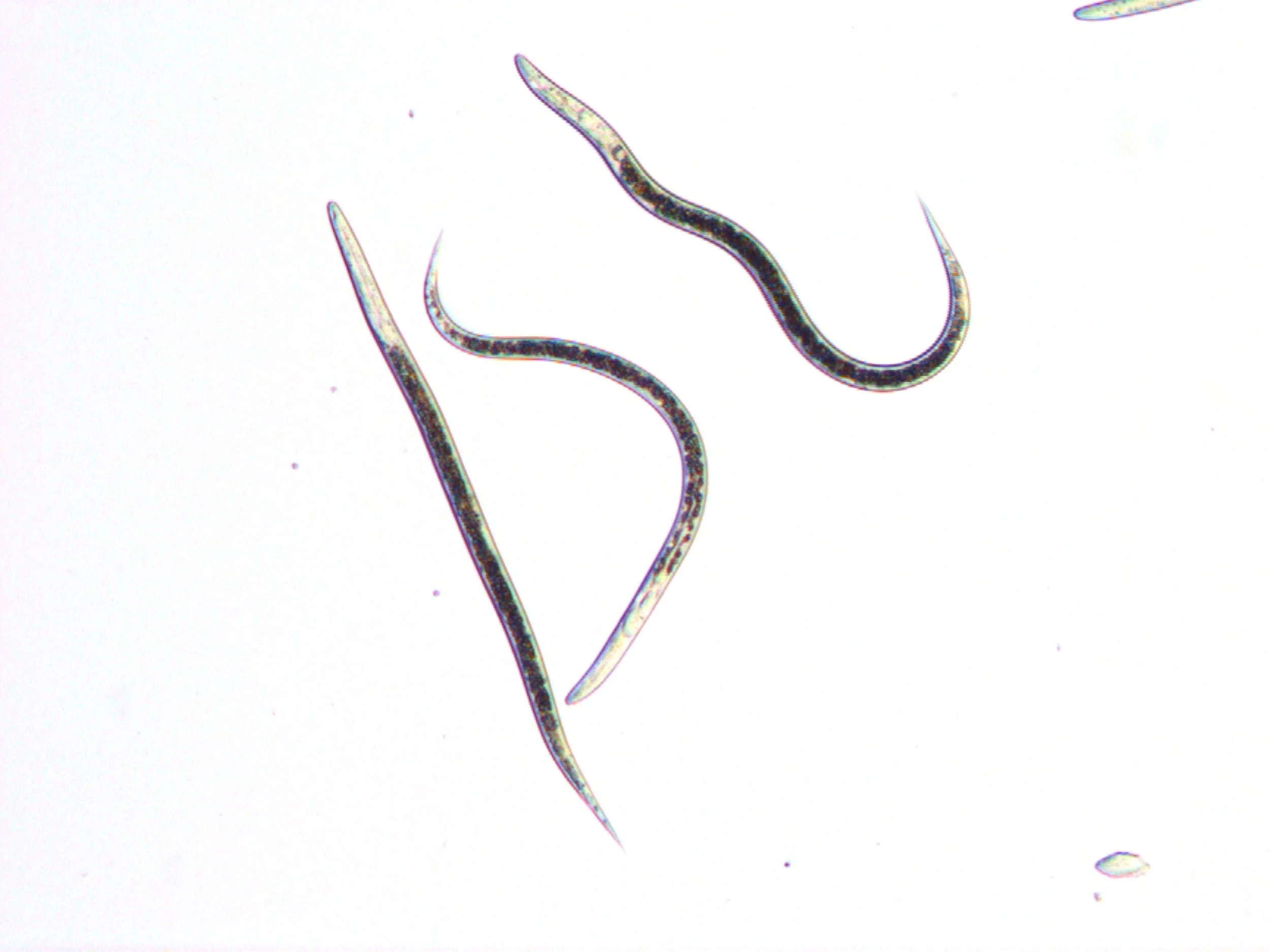
Photo 3. Steinernema riobrave Nematodes
How Steinernema Nematodes Work
All Steinernema species rely on a mutualistic relationship with symbiotic bacteria in the genus Xenorhabdus. The nematode acts as a delivery system, entering an insect host through natural openings such as the mouth, anus, and spiracles (breathing pores). Once inside, the nematode releases its symbiotic bacteria into the insect’s blood, where the bacteria multiply rapidly, kill the host within 48 hours, suppress competing microbes, and create a food source that allows the nematodes to reproduce. A new generation of infective juveniles of these nematodes will then emerge from the host cadavers to seek another host in the soil (Photo 4) Despite this shared strategy, each nematode species and its bacterial partner has evolved unique traits.
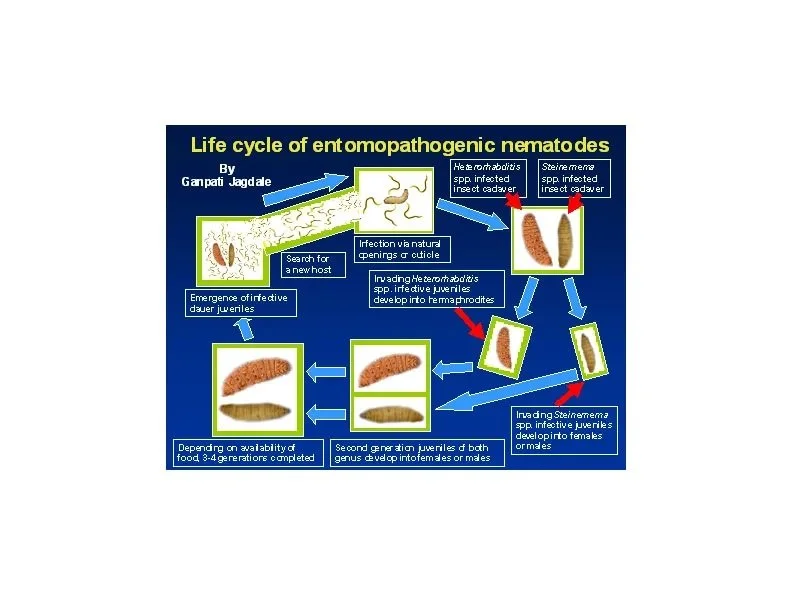
Photo 4. Life cycle of Beneficial Entomopathogenic Nematodes
Steinernema carpocapsae
Symbiotic bacterium: Xenorhabdus nematophila
Steinernema carpocapsae is known as an “ambush predator.” It tends to remain near the soil surface, standing upright and waiting for mobile insects to pass by. This behavior makes it especially effective against surface-dwelling pests.
Best targets include:
Cutworms (Photo 5)
Armyworms (Photo 6)
Webworms (Photo 7)
Flea beetle larvae
This species performs well in moderate soil temperatures and is commonly used in turfgrass and ornamental systems. Its symbiotic bacterium, X. nematophila, is highly virulent and known to quickly immobilize and kill insect hosts.
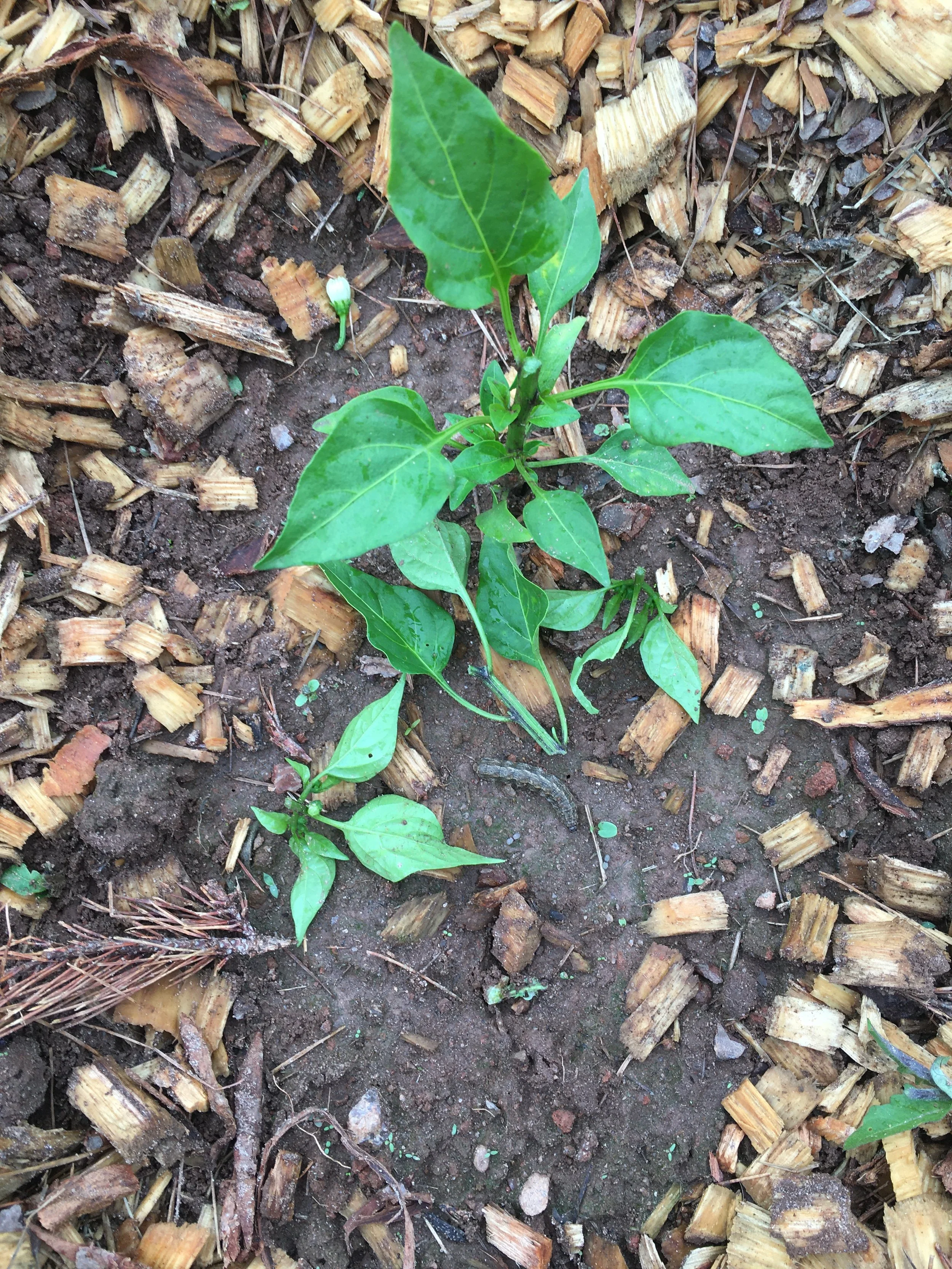
Photo 5. Cutworm larva with pepper seedling cut by larva
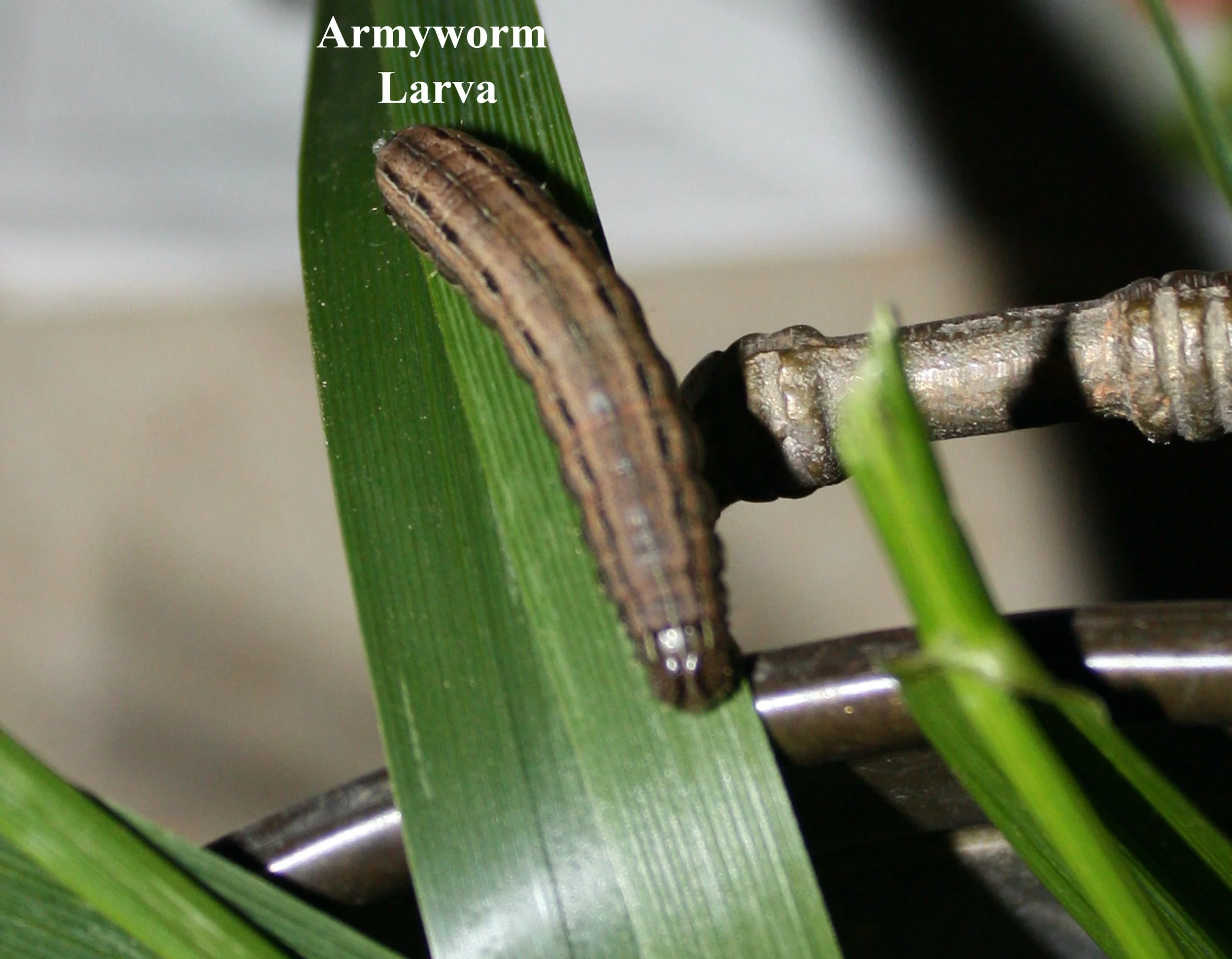
Photo 6. Armyworm Caterpillar
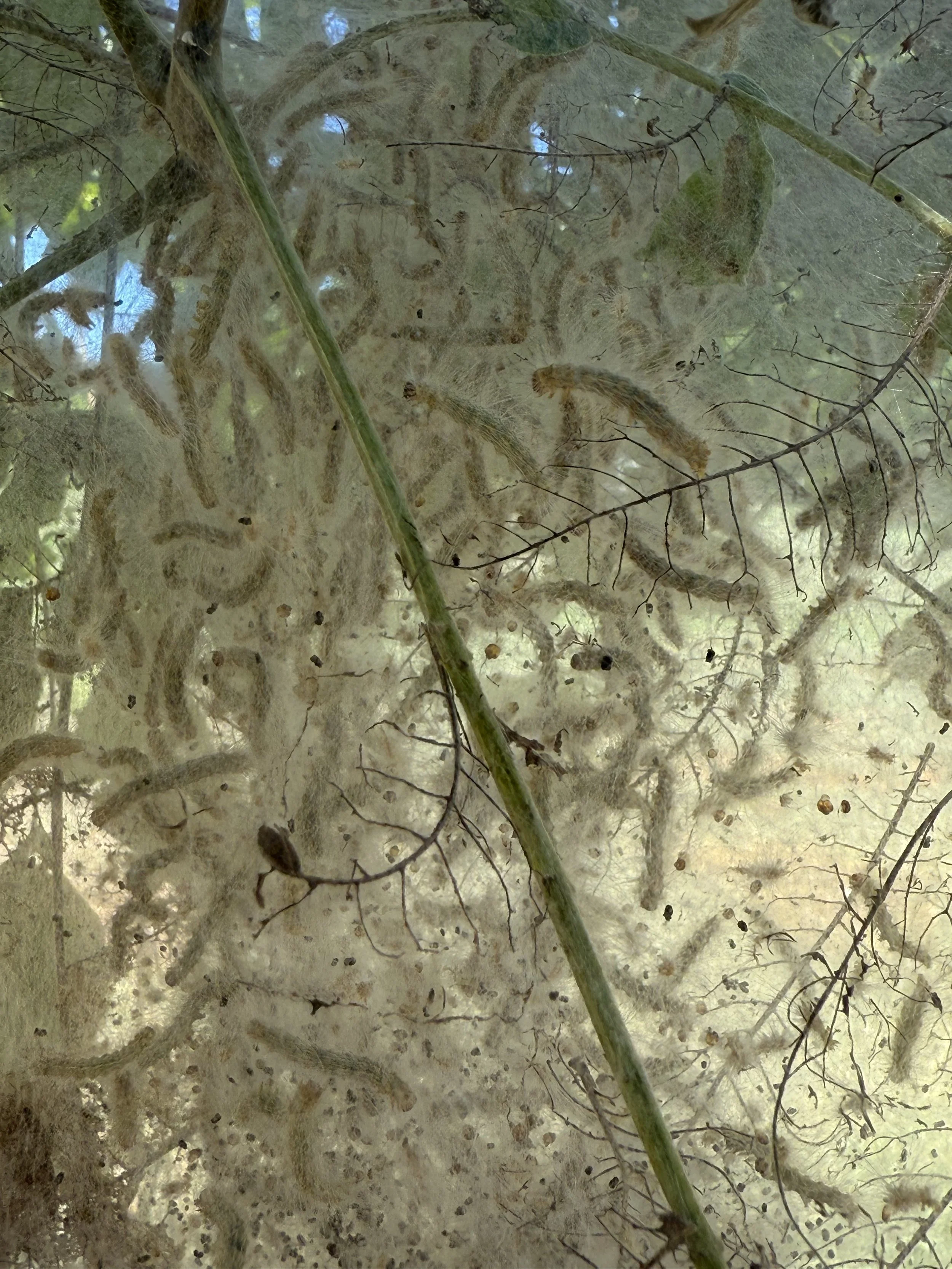
Photo 7. Webworms.
Steinernema feltiae
Symbiotic bacterium: Xenorhabdus bovienii
Steinernema feltiae is considered a more versatile “intermediate forager.” It actively searches for hosts but also responds well to insect movement. Compared to S. carpocapsae, it tolerates cooler temperatures and higher moisture conditions.
Best targets include:
Fungus gnat larvae/maggots (Photo 8)
Shore flies
Root maggots
Thrips (soil stages)
Because of its cold tolerance, S. feltiae is widely used in greenhouses, indoor growing systems, and early-season applications. Its bacterial partner, X. bovienii, is slightly slower acting but remains effective across a broader range of environmental conditions.
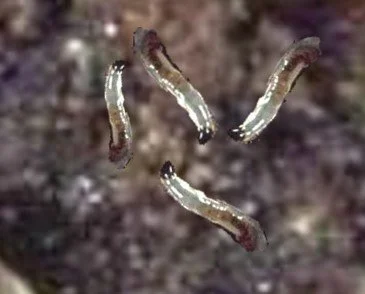
Photo 8. Fungus Gnat Larvae
Steinernema riobrave
Symbiotic bacterium: Xenorhabdus poinarii
Steinernema riobrave is adapted to warmer climates and higher soil temperatures. It is an active cruiser, moving through the soil profile to locate hosts, making it effective against deeper-dwelling pests.
Best targets include:
Weevil larvae/grub (Photo 9)
Root-feeding beetles
Mole crickets
This species excels in sandy or well-drained soils where pests are less mobile. Its symbiotic bacterium, X. poinarii, is particularly well adapted to heat, maintaining virulence where other nematode-bacteria partnerships may struggle.
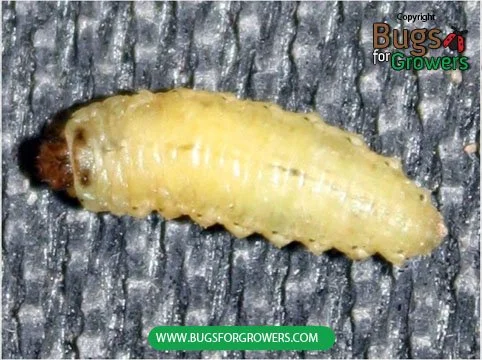
Photo 9. Weevil grub
Choosing the Right Steinernema Species
Selecting the correct nematode species depends on several factors:
Target pest biology (surface vs. soil-dwelling)
Soil temperature and moisture
Crop or landscape setting
Using the wrong species can reduce effectiveness, while the right match can dramatically improve pest suppression without chemical inputs.
Conclusion
Although Steinernema carpocapsae, Steinernema feltiae, and Steinernema riobrave all function as biological control agents, their differences in foraging behavior, environmental tolerance, and symbiotic bacteria make each uniquely suited to specific pest challenges. Understanding these distinctions allows growers and land managers to harness biological control more effectively and sustainably.