Watch YouTube video on Control of dog fleas with beneficial nematodes.
Introduction
If your dog is constantly scratching, chances are you’re dealing with the common dog flea, Ctenocephalides felis (Photo 1). While many pet owners rely on chemical sprays and topical treatments, there’s a powerful and natural alternative: Steinernema carpocapsae, a beneficial nematode that targets fleas right where they live in your soil.
Let’s explore how these microscopic allies work and why they’re an effective biological control agent.
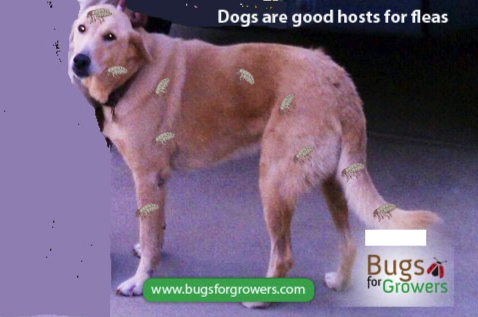
Photo 1. A dog infested with fleas
Dog Fleas and the Damage They Cause
The most common flea affecting dogs is the cat flea, Ctenocephalides felis, which also readily infests dogs. Less common but still possible is the dog flea, Ctenocephalides canis.
Common Name:
Cat flea
Dog flea
Scientific Names:
Ctenocephalides felis
Ctenocephalides canis
Damage Caused by Fleas
Fleas are more than a nuisance — they can cause significant health problems for dogs and even humans.
1. Skin Irritation and Allergic Reactions
Flea saliva triggers itching, redness, and inflammation. Some dogs develop flea allergy dermatitis (FAD), leading to hair loss, hot spots, and secondary infections.
2. Anemia
Heavy infestations can cause blood loss, especially dangerous for puppies and small dogs.
3. Disease Transmission
Fleas can transmit:
Tapeworms (Dipylidium caninum)
Bacterial infections
In rare cases, plague-causing bacteria
4. Rapid Reproduction
Adult fleas lay eggs that fall into carpets, bedding, and soil. About 95% of the flea life cycle (eggs, larvae, pupae) occurs off the animal — often in your yard.
That’s where biological control becomes highly effective.
What Is Steinernema carpocapsae?
Steinernema carpocapsae is a species of beneficial entomopathogenic nematode (Photo 2) — microscopic roundworms that naturally parasitize insect pests. These nematodes actively seek out flea larvae and pupae in the soil. Once inside the host, they release symbiotic bacteria that kill the pest within 24–48 hours. The nematodes then reproduce inside the host and continue hunting for more larvae.
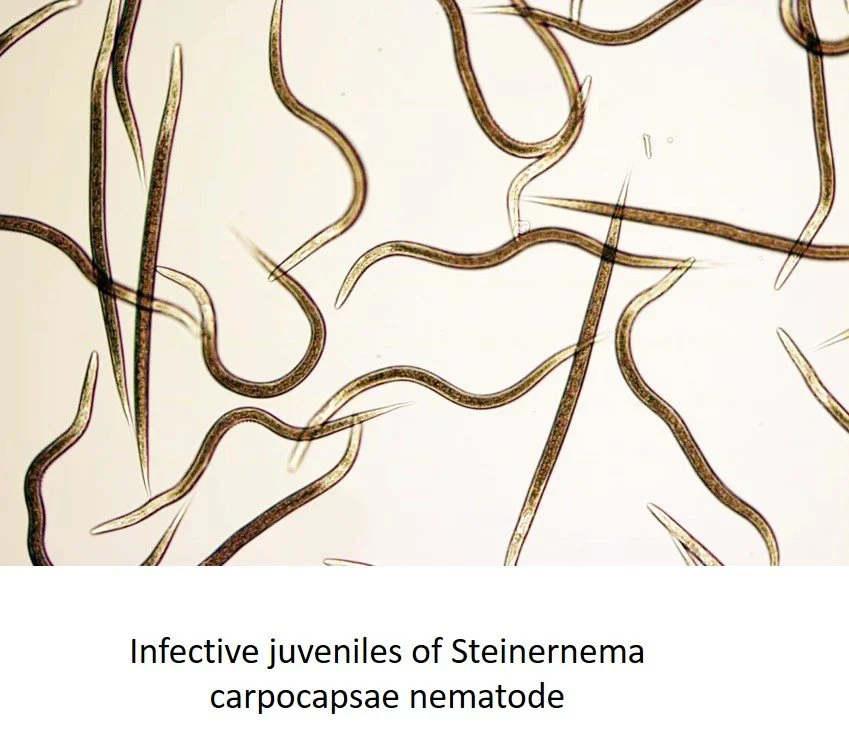
Photo 2. Steinernema carpocapsae nematodes
They are:
Safe for dogs, cats, and humans
Non-toxic to beneficial insects when used correctly
Compatible with organic gardening practices
Environmentally sustainable
How Steinernema carpocapsae Controls Dog Fleas
Flea larvae develop in:
Lawns
Shaded soil areas
Dog runs
Under decks
Kennels
When applied to moist soil, Steinernema carpocapsae:
Searches for flea larvae
Penetrates through natural openings
Releases bacteria that kill the host
Reproduces and spreads
Because they target the immature stages, they break the flea life cycle before adults emerge to infest your dog.
How to Apply Steinernema carpocapsae
For best results:
Apply in the early morning or evening (avoid UV exposure) using a watering can (Photo 3).
Water soil before and after application
Keep soil moist for 7–14 days
Focus on shaded areas where pets rest
Regular seasonal applications during warm months can significantly reduce flea populations.
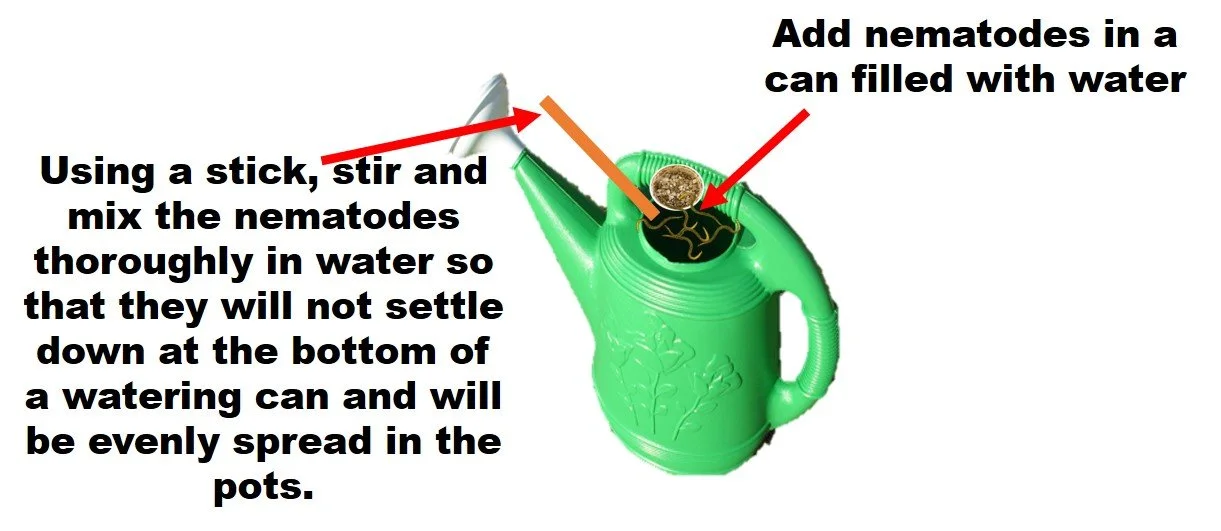
Photo 3. Watering can
Conclusion
Steinernema carpocapsae offers a safe, sustainable, and highly effective biological control solution for dog flea management. By disrupting the flea life cycle naturally, you protect your pets, your family, and your environment — without relying on harsh chemicals. If you’re looking for an eco-friendly approach to flea control, beneficial nematodes may be the smart solution your yard needs.