Gardeners, farmers, and lawn enthusiasts are turning to natural pest control options more than ever, and beneficial nematodes have quickly become one of the most trusted biological tools available.
Among them, beneficial Heterorhabditis bacteriophora nematodes (Photo 1) stands out as one of the most effective species for targeting destructive soil-dwelling insects—especially turf-damaging grubs.
In this post, we’ll explore what makes H. bacteriophora so powerful, which pests it controls, and how to apply it successfully in your garden or lawn.
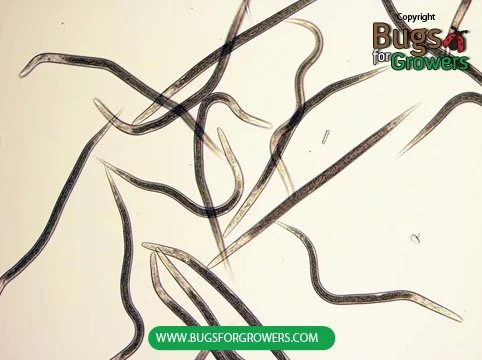
Photo 1. Beneficial Heterorhabditis bacteriophora nematodes
What Are Heterorhabditis bacteriophora Nematodes?
Heterorhabditis bacteriophora (commonly abbreviated Hb) are microscopic beneficial nematodes that actively seek out and kill insect larvae in the soil.
They are completely safe for people, pets, wildlife, and plants—making them an ideal solution for organic or eco-friendly pest control.
How Heterorhabditis bacteriophora Works
The secret behind their effectiveness lies in their symbiotic bacteria: Photorhabdus luminescens subsp. laumondii.
Here’s how the process works:
1. Infective juveniles (IJs) hunt for insect larvae in the soil.
2. They enter the host insect through natural openings such as the mouth, anus and breathing pores or directly through the cuticle.
3. Once in the body cavity, they release their symbiotic bacteria, Photorhabdus luminescens subsp. laumondii, which kills the pest within 24–72 hours.
4. Nematodes reproduce inside the cadaver, creating new infective juveniles.
5. The new nematodes exit the insect, continuing the cycle in the surrounding soil.
This creates a self-sustaining biological control system when pest hosts are present.
Pests Controlled by Heterorhabditis bacteriophora
Heterorhabditis bacteriophora is especially effective against pests in their soil-dwelling larval stage. Some of the most common targets include:
1. White Grubs (Scarabs)
One of the most damaging lawn pests, white grubs feed on turfgrass roots (Photo 2), causing brown patches and turf die-off. Hb nematodes are highly effective against:
Japanese beetle larvae
June beetle larvae
Chafer beetles
European chafer
2. Black Vine Weevil Larvae
A major pest of ornamentals and container-grown plants. The larvae feed on roots, causing sudden plant decline. Hb nematodes seek out and eliminate them efficiently.
3. Root Weevil Species
Including strawberry root weevils and other soil-dwelling weevil grubs.
4. Fungus Gnat Larvae (to a lesser extent)
In potting mixes, they help reduce larval populations that damage young roots.
5. Other Soil Pests
Hb may also impact:
Cutworm larvae (Photo 3)
Armyworm caterpillar (Photo 4)
Caterpillars in soil-dwelling stages
Some beetle larvae in garden soils
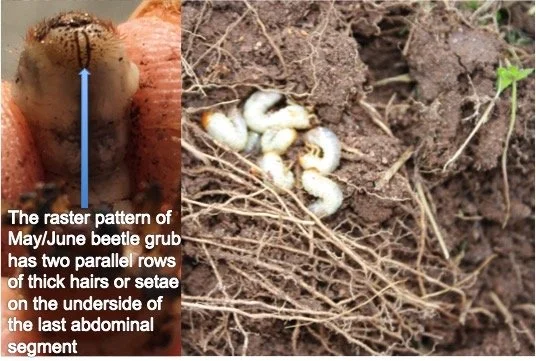
Photo 2. May/June Beetle grubs
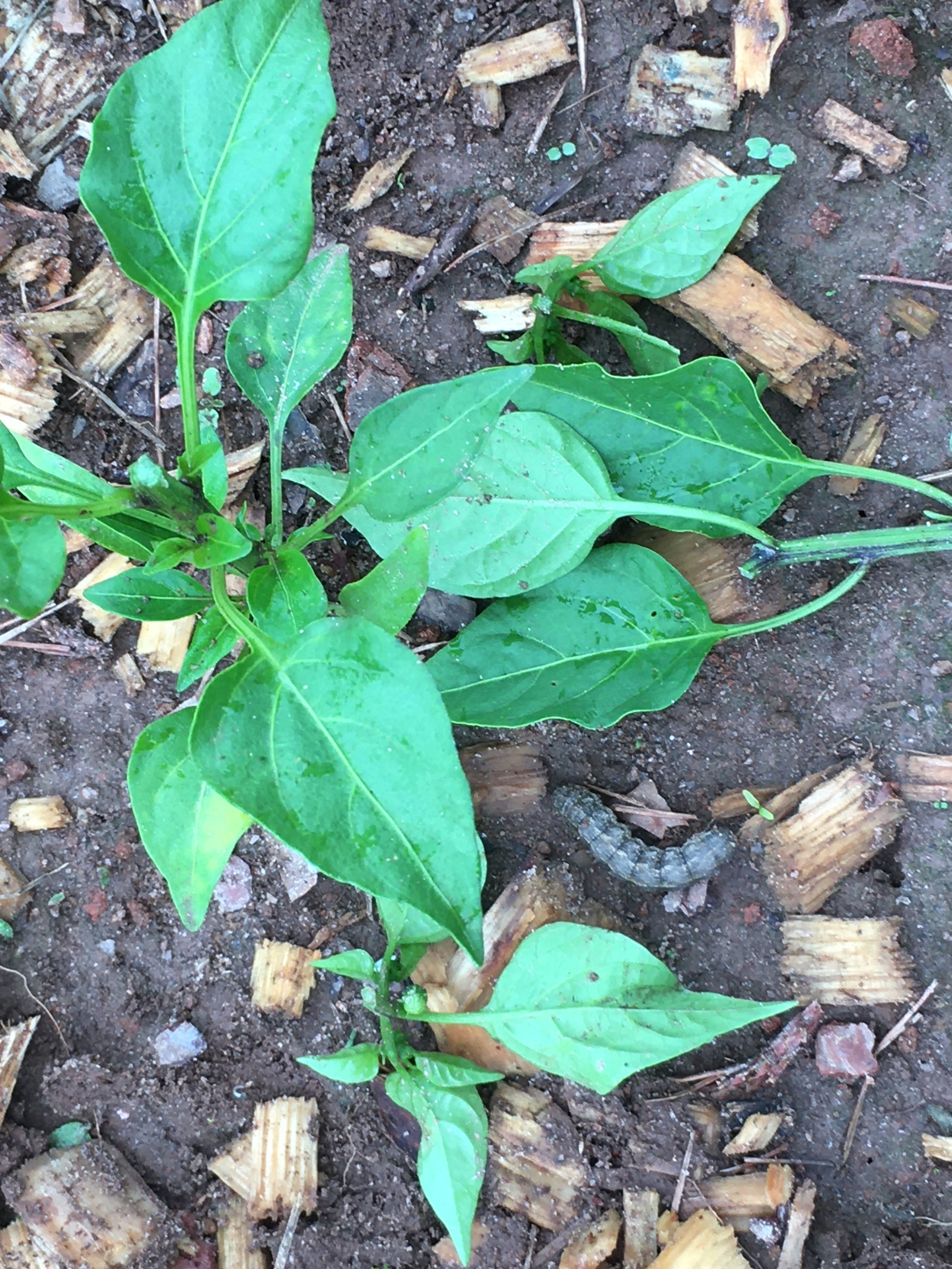
Photo 3. Cutworm Larva
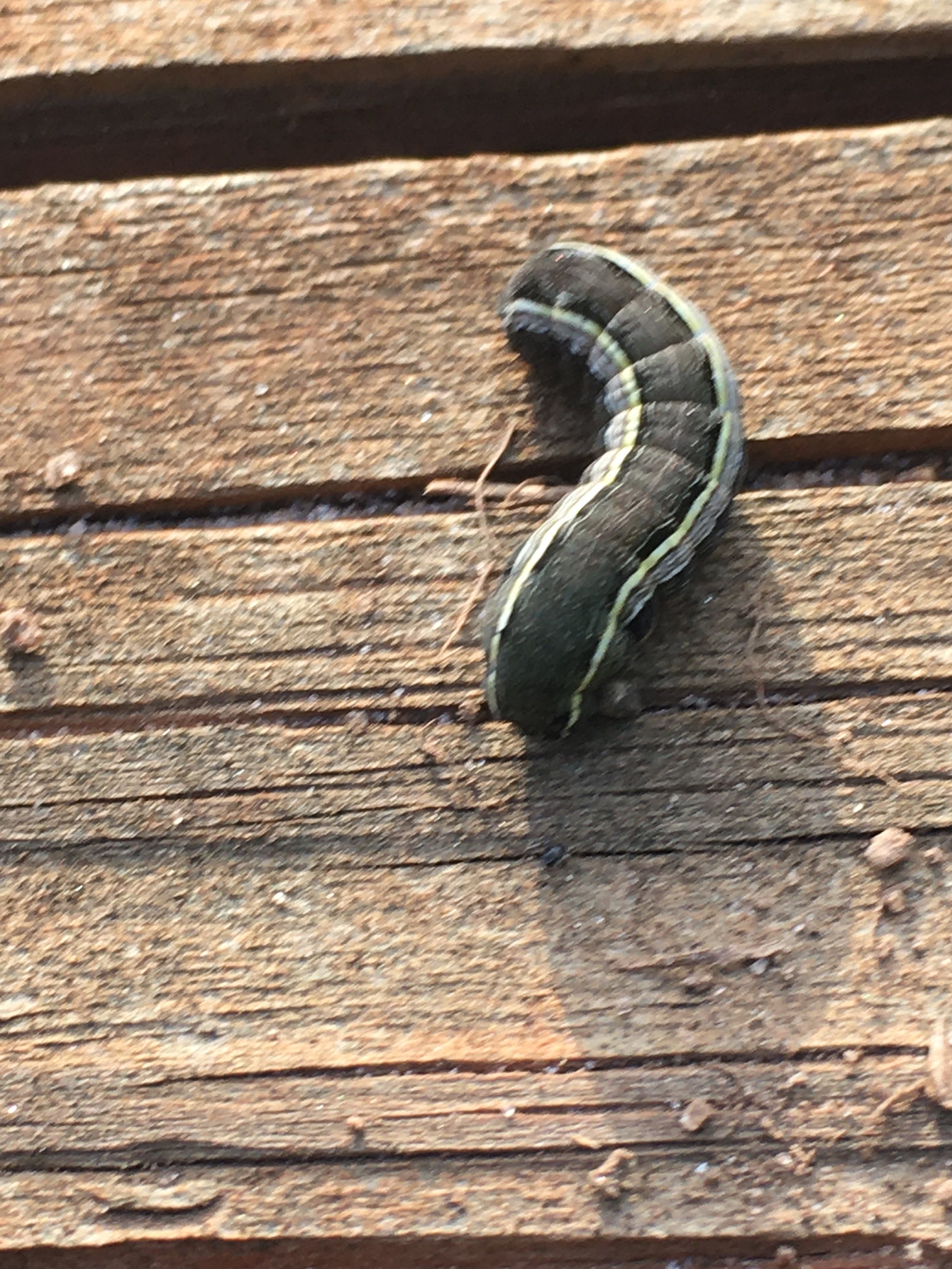
Photo 4. Armyworm Caterpillar
Why Use Heterorhabditis bacteriophora?
100% natural and environmentally friendly: No chemicals, no residue, and safe for beneficial insects.
Safe for kids, pets, and pollinators: Perfect for lawns, gardens, and edible crops.
Long-lasting control: Nematodes reproduce in the soil when pest hosts are present.
Easy to apply: Can be applied using watering cans, hose-end sprayers, or irrigation systems.
How to Apply Heterorhabditis bacteriophora Nematodes
Follow these simple steps for maximum success:
Water before and after application: Moist soil helps nematodes move and find hosts.
Apply during cool, overcast times: Morning or evening avoids heat and UV damage to nematodes.
Mix and apply immediately: Nematodes are living organisms—don’t let them sit in water long.
Apply at the right time of year: For grub control, late summer through early fall is ideal when larvae are young.
Integrating Nematodes Into Your Pest Control Strategy
Using Heterorhabditis bacteriophora as part of an integrated pest management (IPM) plan helps maintain soil health while reducing reliance on chemical pesticides. Pairing nematodes with good cultural practices—like proper irrigation and soil improvement creates a long-term, sustainable pest control system.
Final Thoughts
Heterorhabditis bacteriophora beneficial nematodes are one of the most effective natural tools available for controlling soil pests like grubs, weevils, and gnat larvae. They offer safe, powerful, and environmentally responsible pest management for lawns, gardens, and landscapes.
Whether you're looking to reduce chemical use or simply improve soil health, these microscopic allies are a must-have addition to your pest control toolkit.