Controlling Peach Curculio with Steinernema riobrave Nematodes
Peach orchards are vulnerable to a variety of soil-dwelling pests, but few cause as much hidden damage as the peach curculio (peach root weevil) (Photo 1). Because its most destructive life stage occurs underground, infestations can remain unnoticed until trees show significant stress. Beneficial nematodes such as Steinernema riobrave offer a proven biological control solution that targets the larvae of this pest at its source.
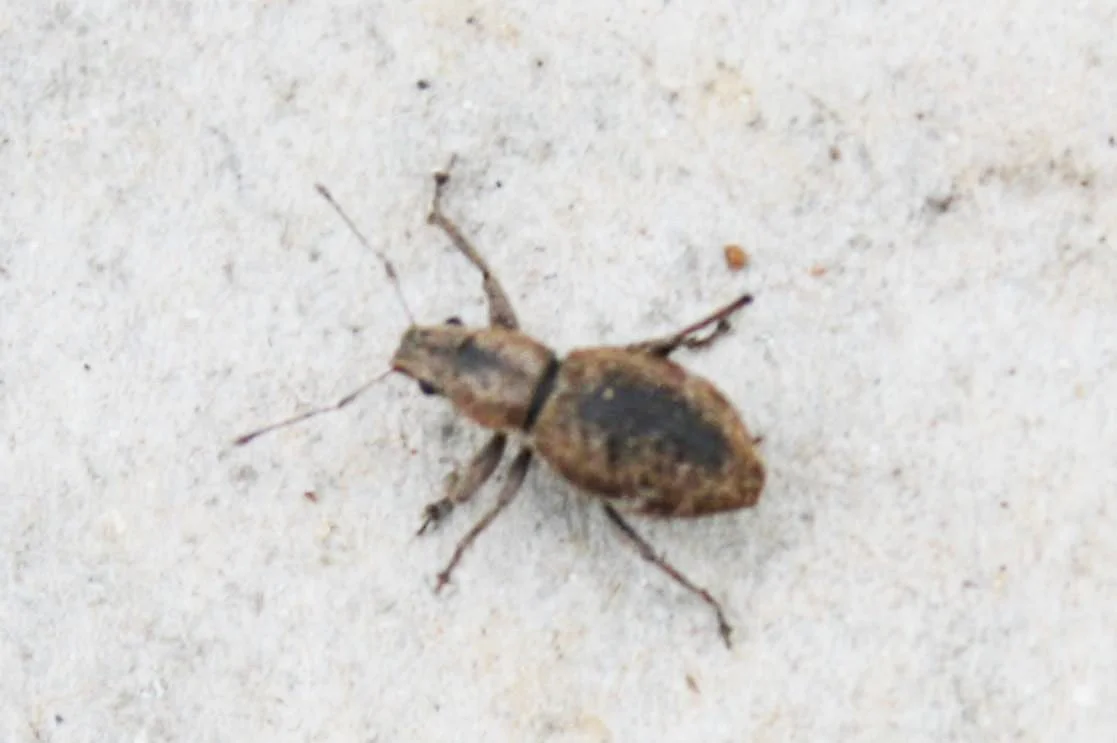
Photo 1. Peach root weevil
Understanding the Peach Curculio (Peach Root Weevil)
Common names: Peach curculio, peach root weevil
Scientific name: Myllocerus undecimpustulatus (Coleoptera: Curculionidae)
The peach curculio is a weevil species in the Curculionidae family. While adult beetles feed on leaves and shoots, the most serious economic damage is caused by larvae feeding on peach tree roots beneath the soil surface.
Damage Caused by Peach Curculio (Peach Root Weevil)
Peach curculio larvae feed on fine feeder roots and larger root structures, disrupting the tree’s ability to absorb water and nutrients. Damage symptoms may include:
Poor tree vigor and slow growth
Wilting or drought stress despite irrigation
Reduced fruit yield and quality
Increased susceptibility to root pathogens
Decline or death of young or stressed trees
Because larvae remain protected in the soil, traditional foliar insecticides offer little control.
What Are Steinernema riobrave Nematodes?
Steinernema riobrave is a beneficial, soil-dwelling entomopathogenic nematode (Photo 2) used in biological pest control. These microscopic organisms actively seek insect larvae in the soil. Once they enter a host insect, the nematodes release symbiotic bacteria that rapidly multiply and kill the larva within 48 hours. The nematodes then reproduce inside the host and spread through the soil as infective juveniles to locate additional pests.
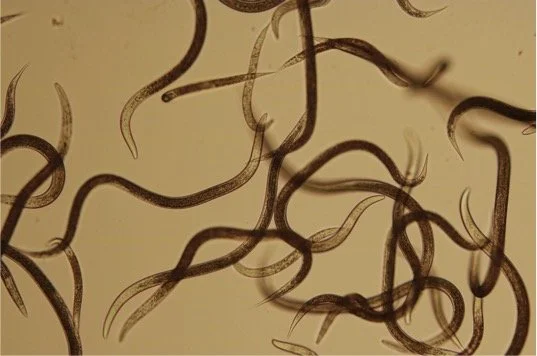
Photo 2. Beneficial Steinernema riobrave nematodes
Why Steinernema riobrave Is Effective Against Peach Curculio
Steinernema riobrave is particularly well-suited for peach curculio management because it:
Targets soil-dwelling larvae directly
Performs well in warm soil conditions common in peach-growing regions
Reduces adult emergence and future infestations
Leaves no chemical residues
Is safe for plants, pollinators, people, and pets
This makes it an excellent option for integrated pest management (IPM) and organic production systems.
Application Tips for Best Results
For optimal peach curculio control apply 25, 000 nematodes per square foot area around each peach tree using watering can:
Apply when soil temperatures are warm and larvae are present
Ensure soil moisture before and after application
Apply during early morning or evening to avoid UV exposure
Irrigate lightly after application to move nematodes into the root zone
Proper application ensures nematodes reach feeding larvae and establish effective control.
A Sustainable Approach to Peach Curculio Management
Using Steinernema riobrave nematodes helps suppress peach curculio (Peach root weevil) populations while protecting soil health and beneficial organisms. By targeting larvae below ground, growers can prevent long-term damage and reduce reliance on chemical insecticides. Biological control with beneficial nematodes supports healthier orchards, stronger root systems, and more sustainable peach production (Photo 3).
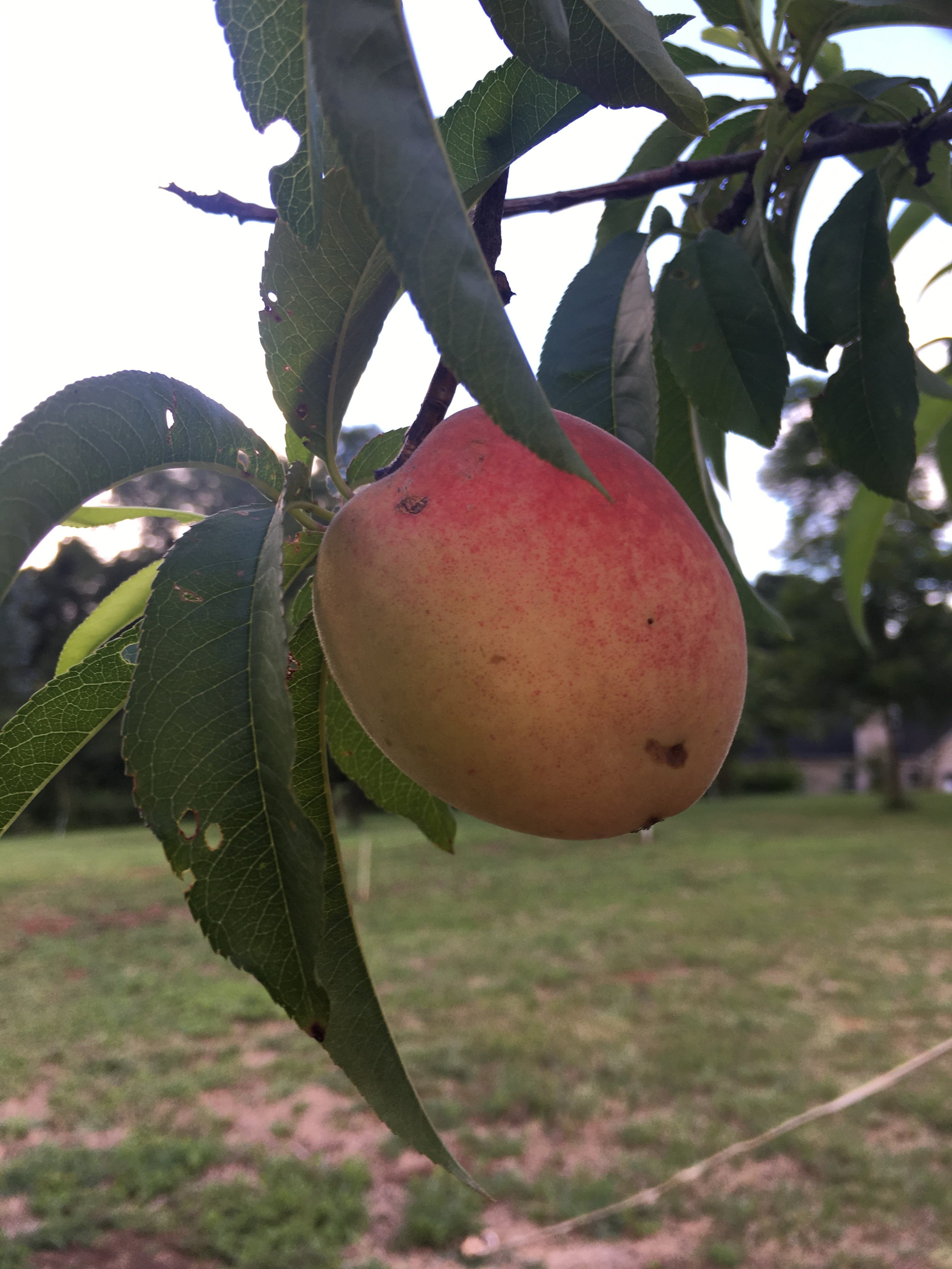
Photo 3. Healthy peach tree