Watch a YouTube video on Natural Control of Fungus Gnats With Steinernema feltiae Nematodes.
Biological Control of Fungus Gnats!
Introduction
Greenhouse fungus gnats are common pests that can damage plants and become a persistent problem for greenhouse growers, nurseries, and indoor gardeners. Although adult fungus gnats are often seen flying around plants, their larvae are responsible for most of the direct damage to plants. Fortunately, beneficial Steinernema feltiae nematodes offer an effective biological control option for managing fungus gnat larvae in moist growing media.
What Are Greenhouse Fungus Gnats?
Fungus gnats are small, dark-colored flies (Photo 1) commonly found around potted plants, greenhouse benches, propagation trays, and other areas with moist growing media. Adult fungus gnats are often attracted to damp potting mixes rich in organic matter, algae, and decaying plant material. Females lay their eggs in suitable growing media, where the eggs hatch into larvae. These larvae feed on fungi, algae, decaying organic matter, and, under suitable conditions, plant roots and other tender plant tissues.
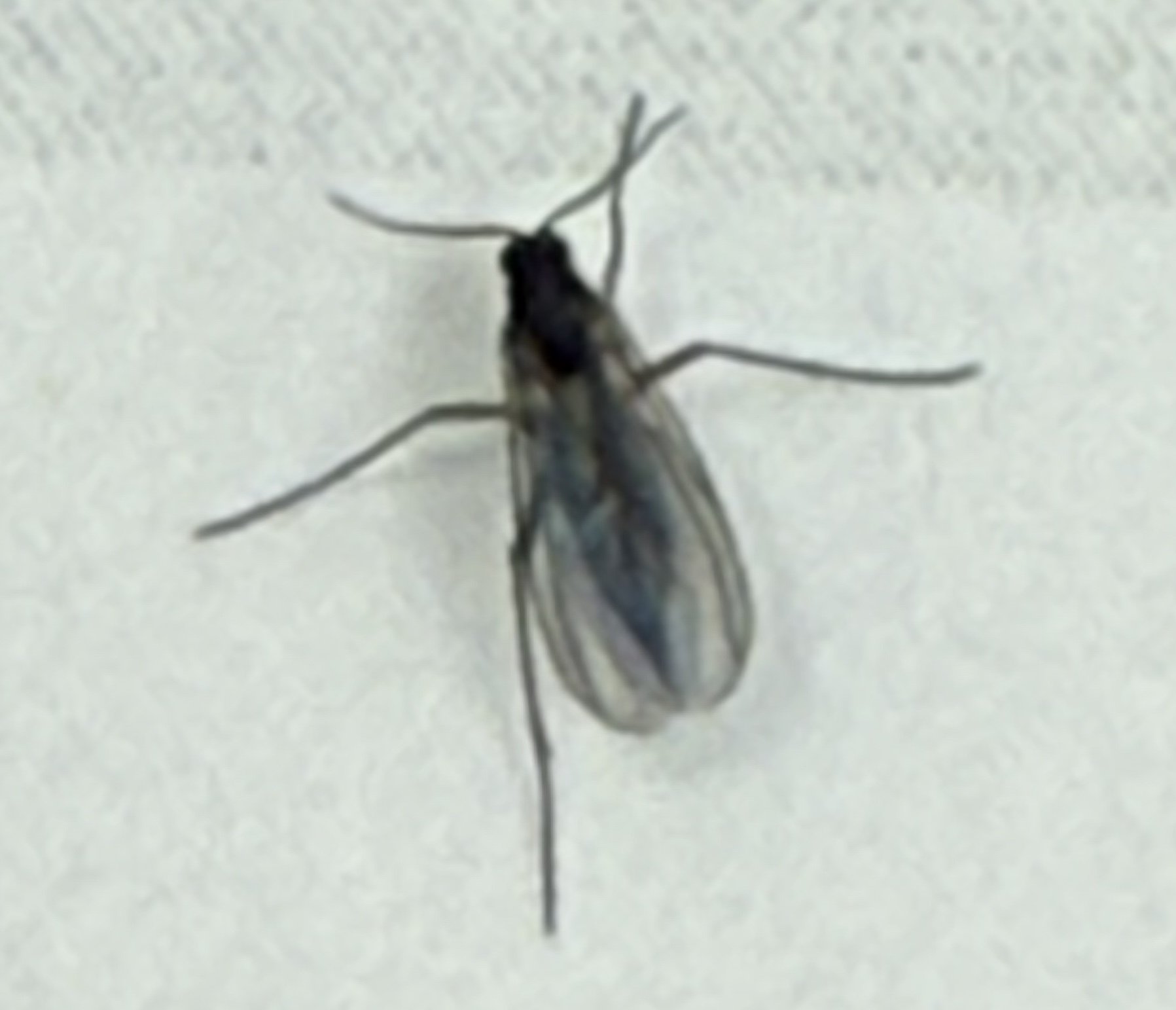
Photo 1. An adult of fungus gnat
What Damage Do Fungus Gnats Cause?
Fungus gnat larvae (Photo 2) can cause several problems, particularly when populations are high or plants are young and vulnerable.
Root damage: Larvae may feed on delicate roots and root hairs, reducing the plant's ability to absorb water and nutrients.
Poor plant growth: Damaged roots can contribute to stunted growth, yellowing leaves, wilting, and reduced plant vigor.
Seedling losses: Young seedlings and newly rooted cuttings are especially vulnerable to root injury.
Increased disease concerns: Root wounds may provide entry points for certain plant pathogens, although fungus gnats are not the sole cause of root diseases.
Reduced crop quality: Persistent infestations can affect plant development and increase production costs in commercial greenhouses and nurseries.
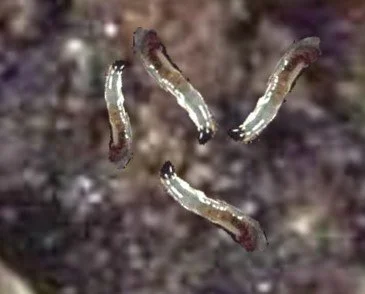
Photo 2. Fungus gnat larvae
Adult flies can also become a nuisance around growing areas and may indicate that larval populations are developing in the growing media.
How Do Beneficial Steinernema feltiae Nematodes Control Fungus Gnats?
Steinernema feltiae is a microscopic, beneficial insect-parasitic nematode (Photo 3) used for the biological control of several insect pests, including fungus gnat larvae. These beneficial nematodes move through moist growing media in search of susceptible insect hosts. When they encounter a fungus gnat larva, they enter the insect through natural openings, such as the mouth, anus, or breathing pores, and release symbiotic bacteria. These bacteria multiply inside the host, causing septicemia and killing the larva within 48 hours. The nematodes then reproduce inside the infected host cadaver until food becomes scarce, prompting new infective juveniles to emerge and seek additional hosts. This beneficial nematode targets the larval stage of fungus gnats, helping reduce future adult populations without relying on conventional synthetic insecticides. An important point is that S. feltiae does not directly eliminate adult fungus gnats flying around plants. Therefore, combining beneficial nematodes with good cultural practices is important for effective fungus gnat management.
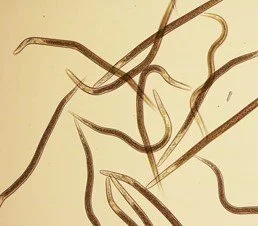
Photo 3. Infective juveniles of beneficial Steinernema feltiae nematodes
How to Apply Steinernema feltiae Nematodes
For successful fungus gnat management, apply beneficial nematodes according to the product label and the growing system.
Recommended application approach:
Use the correct rate. For effective control, apply 25,000 infective juveniles of S. feltiae per square foot of growing area.
Mix thoroughly with water. Prepare the nematode suspension by mixing nematodes with water and keep it gently mixed to help distribute the nematodes evenly.
Apply to moist growing media. Use a watering can, drench system, or suitable irrigation equipment to deliver nematodes to the root zone, where fungus gnat larvae are present.
Maintain adequate moisture. Keep the growing media moist, but avoid waterlogging. Nematodes need a suitable moisture film to move through the media and locate their hosts like fungus gnat larvae.
Protect nematodes during application. Avoid excessive heat, direct sunlight, and prolonged exposure to conditions that can reduce nematode survival. Follow the product's storage, mixing, and application instructions.
Monitor pest populations. Use yellow sticky cards to monitor adult fungus gnats and inspect growing media for larvae. Repeat applications when recommended by the product label and when monitoring indicates they are needed.
Why Choose Beneficial Nematodes for Fungus Gnat Control?
Beneficial Steinernema feltiae nematodes provide a targeted biological approach to controlling fungus gnat larvae in growing media used in greenhouses, nurseries, propagation facilities, and indoor plants. These beneficial nematodes are safe for plants, workers, pets, and other animals when used as directed, and they are an environmentally friendly alternative to conventional synthetic insecticides.
Conclusion
Greenhouse fungus gnats can threaten seedlings, cuttings, and established plants, particularly when their larvae damage delicate roots. Beneficial Steinernema feltiae nematodes offer a natural biological control option by attacking susceptible larvae in the growing media. For the best results, apply 25,000 quality nematodes per square foot growing area, maintain suitable moisture, improve greenhouse sanitation, and monitor fungus gnat populations regularly. Combining these practices can help growers manage fungus gnats while supporting a more sustainable plant production system.