Introduction
If your lawn suddenly looks like it’s been attacked overnight—holes everywhere (Photo 1), chunks of turf flipped over, and uneven ground—you’re not alone. Many homeowners assume animals are the main problem, but in reality, they’re just responding to something much bigger happening underground. Understanding the true cause of lawn damage is the first step toward fixing it permanently—not just temporarily.
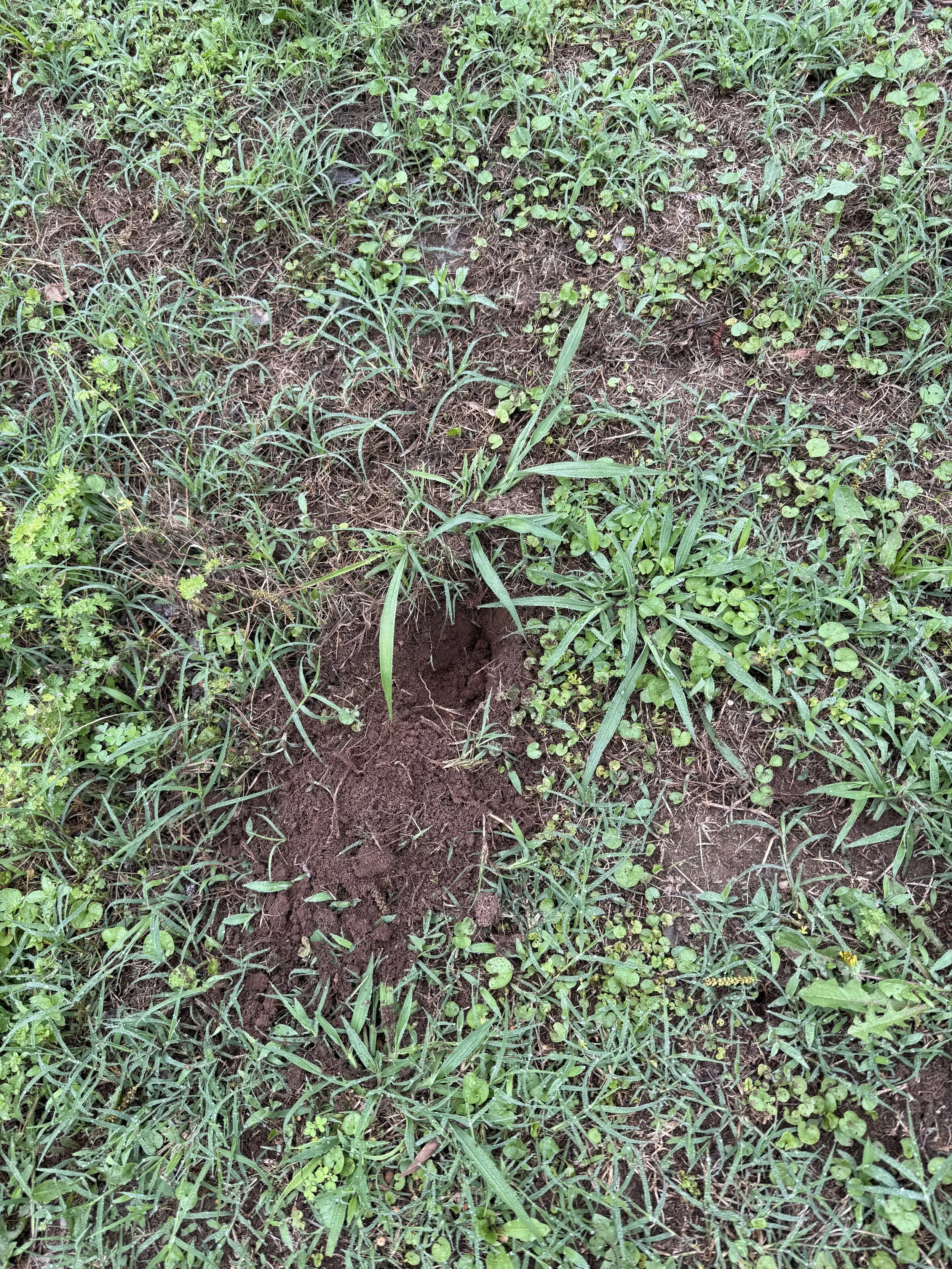
Photo 1. Hole in lawn dug by Skunks
The Real Culprit: Lawn Grubs
Beneath your lawn lives a hidden population of destructive pests known as grubs, which are the larval stage of several beetle species. The most common turf-damaging grubs of insect pests include:
Japanese beetle (Popillia japonica) (Photo 2)
May/ June beetles (Phyllophaga species complex) (Photo 3)
Chafer beetles (Cyclocephala species) (Photo 4)
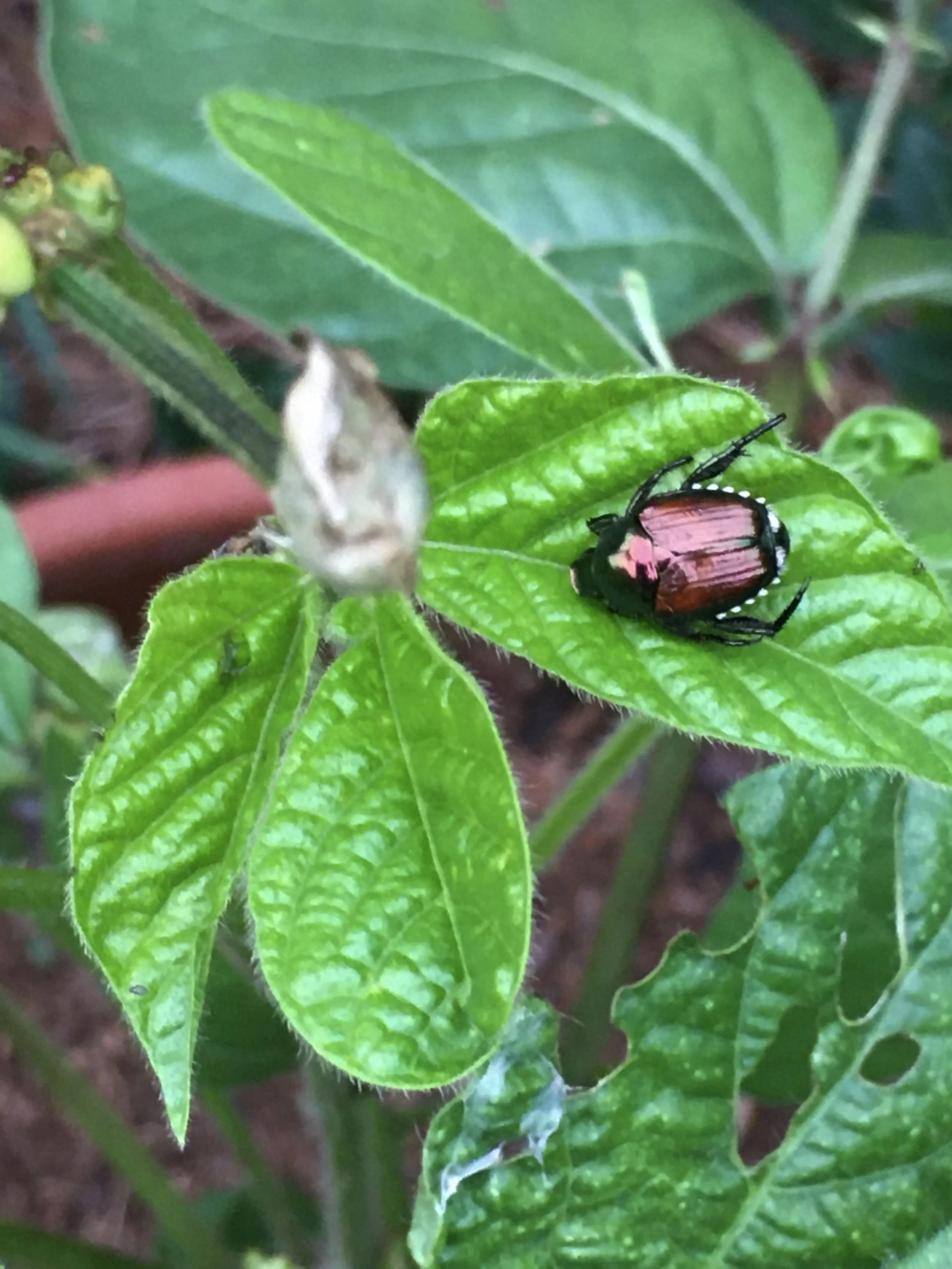
Photo 2. Japanese Beetle
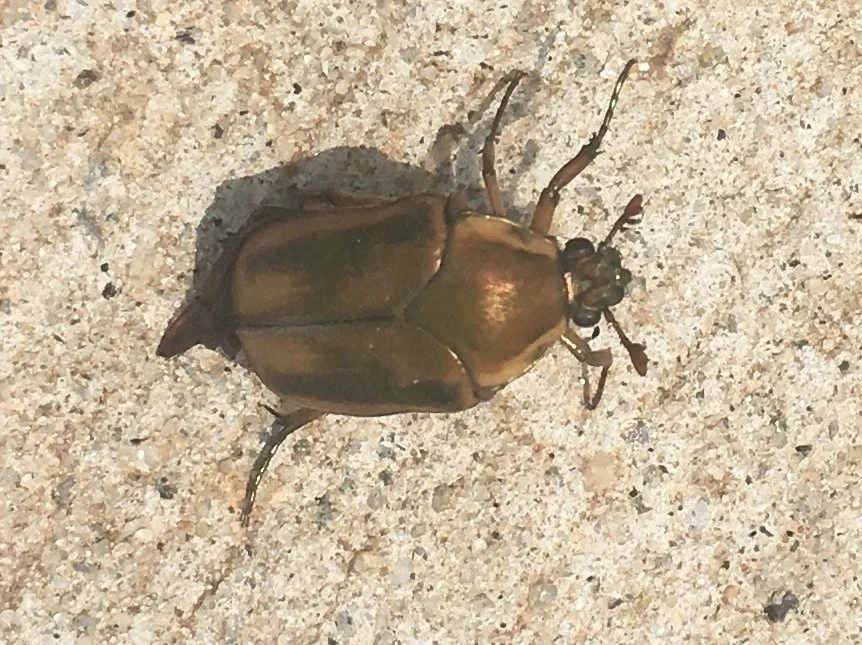
Phot 3. Green June Beetle
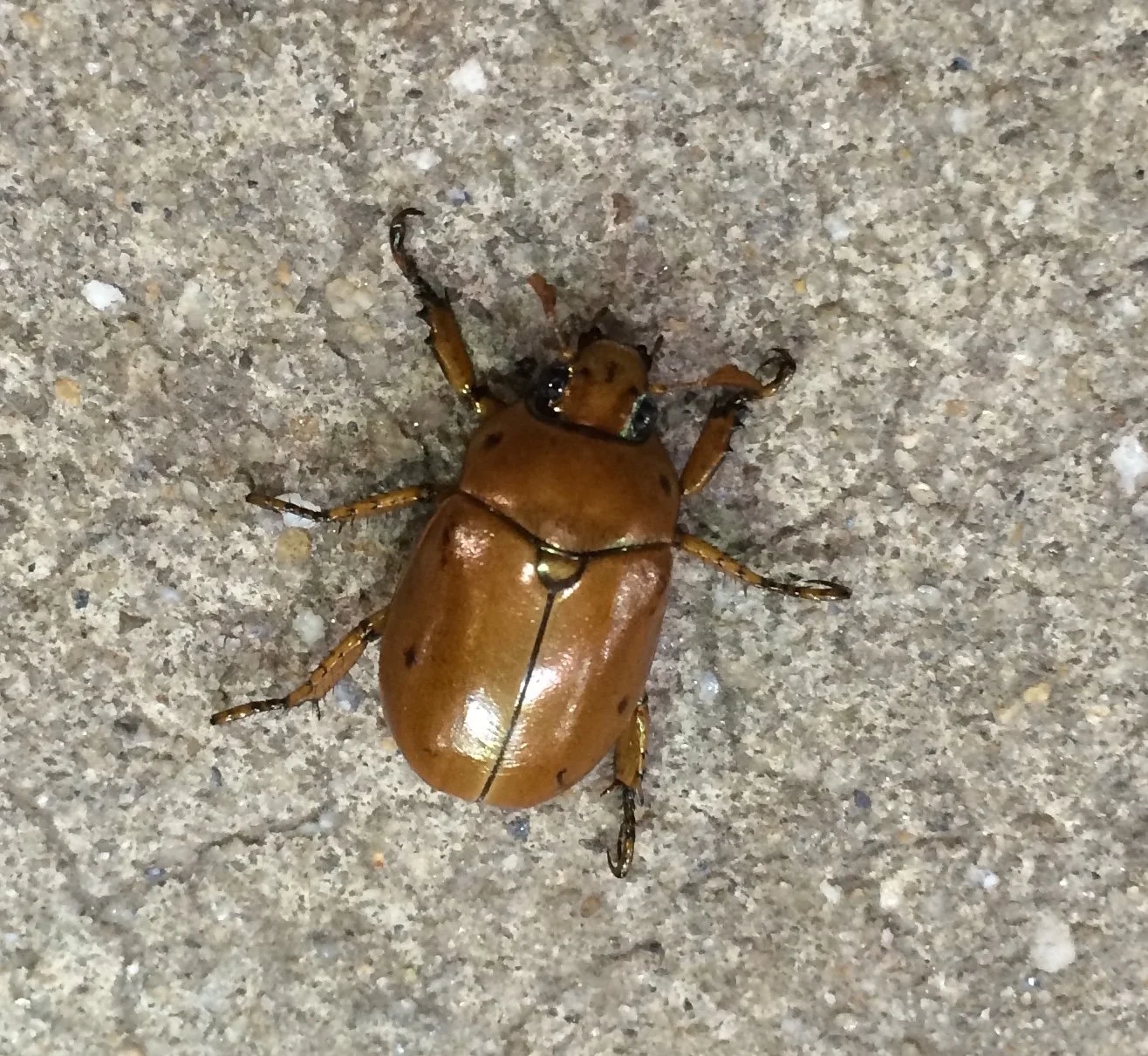
Photo 4. Chafer beetle
These grubs are creamy white, C-shaped larvae that live in the top few inches of soil. They feed aggressively on the roots of turfgrass species such as:
Kentucky bluegrass (Poa pratensis)
Tall fescue (Festuca arundinacea)
Bermudagrass (Cynodon dactylon)
Grub Damage Symptoms
As grubs feed, they sever the root system that anchors your grass. This leads to:
Brown or yellow patches that resemble drought stress (Photo 5)
Grass that lifts easily like loose carpet
Thinning turf that fails to recover even with watering
Increased vulnerability to heat and disease
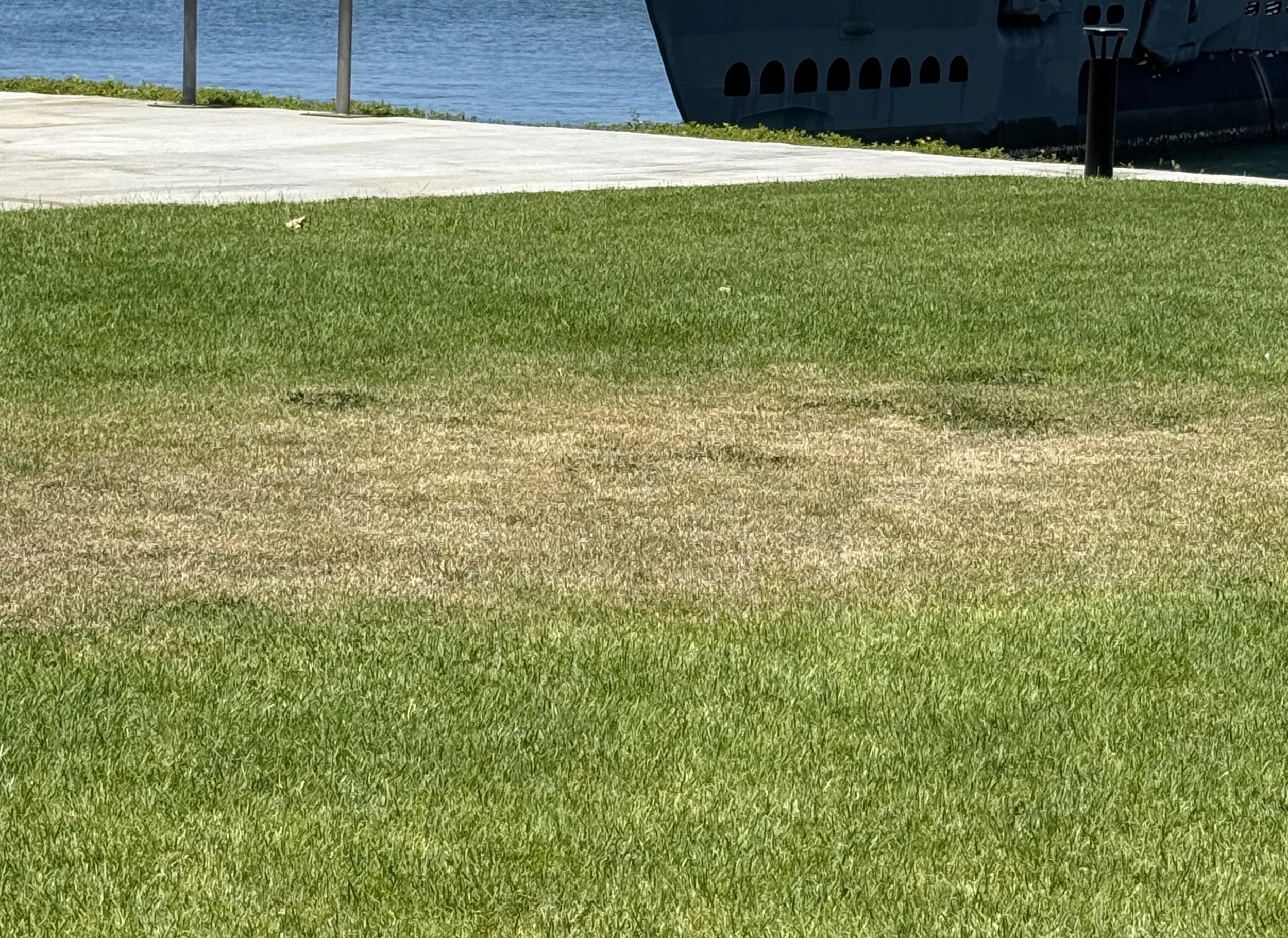
Photo 5. Yellow patch of damaged turfgrass by grubs
Left untreated, grub infestations can destroy entire sections of lawn in just a few weeks.
Why Animals Are Digging Up Your Yard
Once grubs are present, your lawn essentially becomes an all-you-can-eat buffet for wildlife. Common culprits include:
Raccoons (Procyon lotor)
Moles (family Talpidae)
Skunks (Mephitis mephitis)
Armadillos (Dasypus novemcinctus) in warmer regions
These animals have highly sensitive noses or digging adaptations that allow them to detect grubs beneath the soil surface.
What Their Damage Looks Like
Raccoons roll back sod in large patches
Skunks leave small, cone-shaped holes
Moles create raised tunnels and ridges
Armadillos dig deep, scattered holes
Importantly, these animals are a symptom—not the cause. If you only try to repel or remove them without addressing the grubs, new animals will simply take their place.
Beneficial Nematodes: Natural Solution
To truly stop the cycle of lawn damage, you need to eliminate the grubs themselves. One of the most effective and environmentally friendly solutions is using beneficial nematodes like Heterorhabditis bacteriophora (Photo 6).
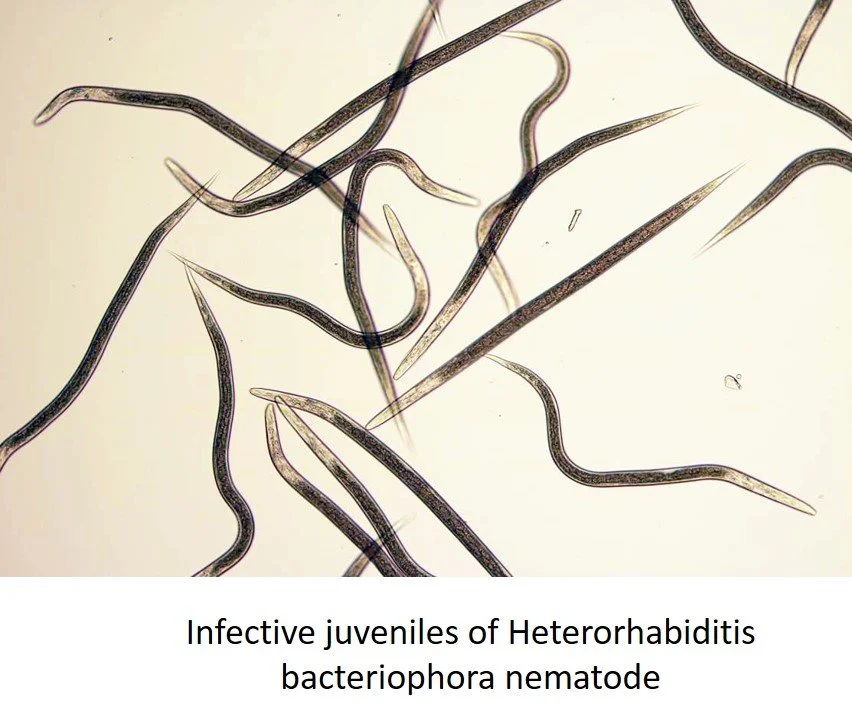
Photo 6. Beneficial Heterorhabditis bacteriophora nematodes
What Are Beneficial Nematodes?
Beneficial Heterorhabditis bacteriophora nematodes are microscopic, soil-dwelling roundworms that naturally occur in healthy ecosystems and are also commercially available. These nematodes are entomopathogenic, meaning they carry insect-pathogenic bacteria used to kill soil-dwelling insect pests, including the grubs of various beetle species. They are completely safe for humans, pets, plants, and the environment.
How Beneficial Nematodes Work
Beneficial nematodes are highly efficient hunters in the soil environment.
They actively seek out grubs using chemical signals
Then they enter the grub through natural openings (mouth, anus and spiracles)
Once inside, they release symbiotic bacteria (Photorhabdus spp.)
The bacteria quickly multiply, cause septicemia and kill the grub within 24–48 hours
Nematodes reproduce inside the host cadaver and release a new generation of infective juveniles into the soil to seek new host grubs/ larvae/ caterpillars.
Why nematodes are Effective
Continuous control: new nematodes keep hunting
Target specificity: they attack pests, not beneficial organisms
Rapid results: noticeable reduction in grub populations within days
Beneficial Nematode Application Guidelines
Applying nematodes correctly is key to success. Because they are living organisms, they require proper handling and environmental conditions.
Recommended Nematode Application Rate
5 million nematodes per 1,000 square feet for grub infested turf
Higher rates may be used for severe infestations
Step-by-Step Application
Pre-water your lawn: Moist soil helps nematodes move and survive
Mix nematodes with water: Follow product instructions carefully to keep them viable
Apply using a sprayer, hose-end applicator or watering can: Ensure even coverage across affected areas (Photo 7)
Apply during low-light conditions: Early morning or evening is best, as UV light can kill nematodes
Water lightly after application: This helps wash them into the soil where grubs are active
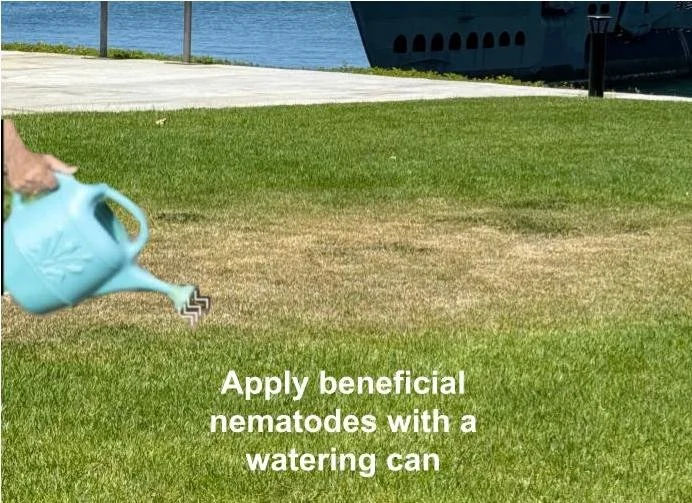
Photo 7. Application of beneficial Heterorhabditis bacteriophora nematodes
Ideal Conditions for nematode survival
Soil temperature: 60–85°F (15–29°C)
Moist, but not waterlogged soil
Application during active grub stages (late summer to early fall, or spring depending on species)
Why Choose Nematodes?
Switching to biological control offers several important advantages over traditional insecticides.
Environmental Benefits
No chemical runoff into waterways
Safe for beneficial insects like earthworms and pollinators
Supports long-term soil health
Practical Benefits
Safe for children and pets immediately after application
No protective gear required
No risk of chemical resistance developing in pests
Long-Term Control
Unlike chemical treatments that provide short-term suppression, nematodes can establish and continue working as long as conditions remain favorable.
No Grubs, No Digging
Once the grub population collapses, the entire dynamic changes.
Animals lose their primary food source
Digging behavior stops naturally
Turfgrass begins to recover and regrow
Take Back Your Lawn—Naturally
A healthy lawn starts below the surface. By focusing on soil biology instead of quick chemical fixes, you create a more resilient, self-sustaining landscape. Beneficial nematodes offer a powerful, science-backed solution that works with nature—not against it. With proper application and timing, you can:
Restore damaged turf
Eliminate persistent grub problems
Prevent future animal digging
Build healthier soil ecosystems
Skip the harsh chemicals and choose a smarter, more sustainable approach. Your lawn will come back greener, stronger, and naturally protected.